Taste the Tradition: Homemade Spaghetti Sauce Recipe
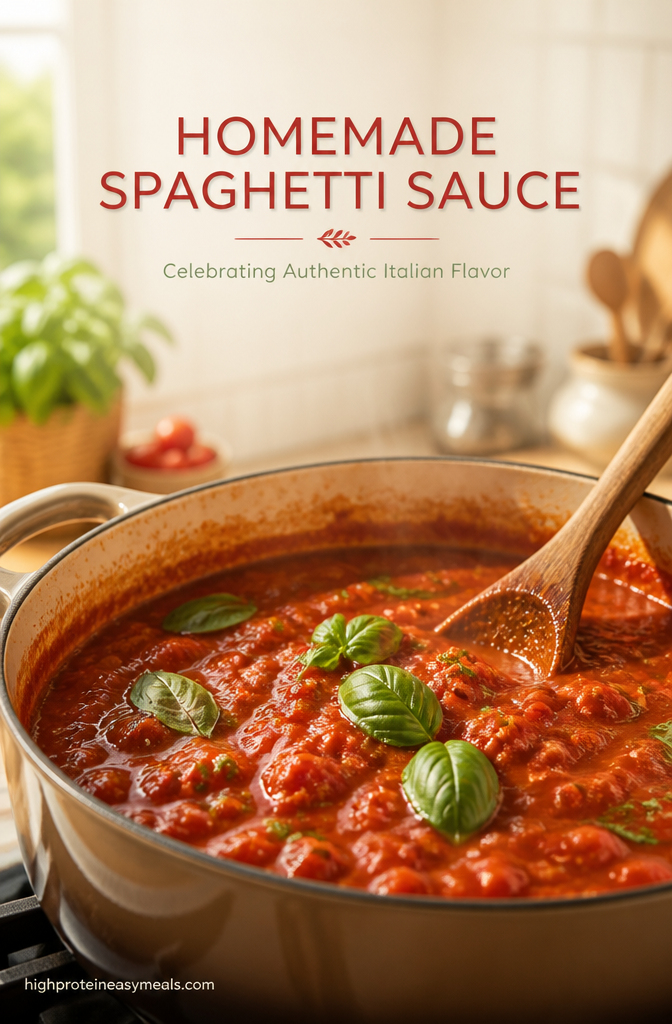
A bubbling pot of spaghetti sauce can make the whole kitchen feel welcoming. The aroma of garlic, onion, tomatoes, and herbs signals that dinner will be satisfying, comforting, and worth gathering around the table for. This homemade sauce takes everyday ingredients and turns them into a rich, silky pasta sauce that clings to every strand of spaghetti.
The method is straightforward, so it works well for a weeknight meal yet feels special enough for a relaxed weekend dinner. You can simmer it quickly when time is short or let it cook longer for deeper flavor. With a few practical tips and simple variations, this classic Italian-style recipe becomes one you will return to whenever you want a reliable, flavorful pot of sauce.
Ingredients for Homemade Spaghetti Sauce
- 2 tablespoons olive oil
- 1 medium onion, finely chopped
- 3 to 4 garlic cloves, minced
- 1 pound ground beef, Italian sausage, or a mix of both
- 1 teaspoon salt, plus more to taste
- 1/2 teaspoon black pepper
- 1 teaspoon dried oregano
- 1 teaspoon dried basil
- 1/2 teaspoon red pepper flakes, optional
- 1 tablespoon tomato paste
- 1 can (28 ounces) crushed tomatoes
- 1 can (14.5 ounces) diced tomatoes, optional for texture
- 1/2 cup water or beef broth, as needed
- 1 teaspoon sugar, optional
- Fresh basil or parsley for finishing
Choose tomatoes with a bright, clean flavor and no added herbs if you want to control the seasoning. Good olive oil adds richness, while tomato paste brings body and a savory edge. The herbs can be dried or fresh; dried herbs are convenient for simmering, and fresh herbs add lift at the end.
Step-by-Step Method
Start by warming the olive oil in a large, heavy pot over medium heat. Add the onion and cook until soft and translucent, about 6 to 8 minutes. Stir in the garlic and cook for another minute until fragrant. If you are using meat, add it now, breaking it into small pieces with a wooden spoon. Cook until browned, then season with salt and pepper.
Sprinkle in the oregano, basil, and red pepper flakes, if using. Stir for 30 seconds so the herbs bloom in the heat. Add the tomato paste and cook for 1 to 2 minutes, stirring often. This quick cook concentrates the paste and helps the sauce taste rounded rather than raw.
Pour in the crushed tomatoes and diced tomatoes, if using. Add a splash of water or broth if the sauce looks very thick. Bring the mixture to a gentle simmer, then reduce the heat to low. Cover partially and let it cook for 20 to 30 minutes for a quick sauce, or 45 to 90 minutes for a deeper, more developed flavor. Stir occasionally and add more liquid if the sauce becomes too thick.
Taste the sauce and adjust the seasoning. A pinch of sugar can balance very acidic tomatoes, but add it sparingly and taste as you go. Finish with fresh basil or parsley and a drizzle of olive oil for brightness.
Tips for Rich Flavor and Smooth Texture
- Brown the meat well before adding liquids; this builds savory flavor and improves texture.
- Cook the onion slowly so it softens without browning too quickly.
- Bloom dried herbs in oil for a moment to release their aroma.
- Simmer gently rather than boil hard, which can make the sauce splatter and taste harsh.
- Use a wooden spoon to scrape the bottom of the pot and prevent sticking.
- Taste throughout cooking and adjust salt, pepper, and herbs in small amounts.
- If the sauce tastes flat, try a splash of vinegar or a squeeze of lemon at the end to wake up the flavors.
- For a smoother sauce, blend a portion with an immersion blender, then stir it back into the pot.
A longer simmer often gives a more cohesive sauce, but the exact time depends on your stove, pot, and ingredients. Keep the heat low enough that the sauce barely bubbles.
Variations to Try
- Meatless version: Skip the meat and add finely chopped mushrooms or lentils for heartiness.
- Spicy version: Increase red pepper flakes or add a spoonful of chili paste.
- Herb-forward version: Stir in chopped fresh rosemary, thyme, or oregano during the last 10 minutes.
- Vegetable-rich version: Add grated carrot, finely diced celery, or chopped zucchini with the onion.
- Creamy variation: Stir in a small amount of heavy cream or ricotta at the end for a softer flavor.
- Slow-cooker method: Brown the meat and onions on the stove, then transfer everything to a slow cooker and cook on low for several hours.
- Freezer-friendly batch: Double the recipe and freeze portions for quick meals later.
These variations keep the spirit of classic Italian cooking while letting you adapt the sauce to what you have on hand and what your family enjoys.
Common Mistakes to Avoid
- Crowding the pot when browning meat, which causes steaming instead of searing.
- Adding salt only at the end, which can leave the sauce tasting one-dimensional.
- Cooking the sauce at too high a heat, leading to scorching and splatters.
- Using too much sugar to mask acidity; a small amount is enough if needed.
- Adding delicate fresh herbs too early, which can dull their flavor.
- Skipping the tomato paste, which helps build depth and body.
- Stirring too often or too vigorously, which can break down the texture unnecessarily.
- Serving the sauce immediately without tasting and adjusting the seasoning.
Take a moment to taste before serving. A final pinch of salt, a crack of pepper, or a handful of fresh herbs can make a noticeable difference.
Serving and Storage Ideas
Toss the hot sauce with cooked spaghetti, reserving a little pasta water to loosen the sauce if needed. The starchy water helps the sauce cling to the noodles for a silky finish. Serve with grated cheese, a simple green salad, and warm bread for a complete meal.
Store leftover sauce in an airtight container in the refrigerator for up to four days. Reheat gently over low heat, adding a splash of water if it has thickened. For longer storage, freeze portions for up to three months. Thaw overnight in the refrigerator and reheat slowly. The sauce also works well as a base for lasagna, baked ziti, or a hearty dip for breadsticks.
FAQ
Can I make this spaghetti sauce without meat?
Yes. Omit the meat and add mushrooms, lentils, or chopped vegetables for texture. The seasoning and simmering method remain the same, and the sauce will still have a rich, satisfying flavor.
How long should I simmer the sauce?
A 20 to 30 minute simmer gives a quick, bright sauce. For deeper flavor, cook on low heat for 45 to 90 minutes, stirring occasionally and adding liquid if needed. The sauce is ready when it tastes balanced and has a texture you like.
Can I use fresh tomatoes instead of canned?
Fresh tomatoes work well in season. Blanch, peel, and chop them, then cook a little longer to reduce excess liquid. Canned tomatoes are convenient and consistent, but either option can produce a delicious homemade sauce.
Read more: Taste the Tradition: Homemade Spaghetti Sauce Recipe
Nhận xét
Đăng nhận xét