Extra Creamy Alfredo Sauce with Cream Cheese Recipe
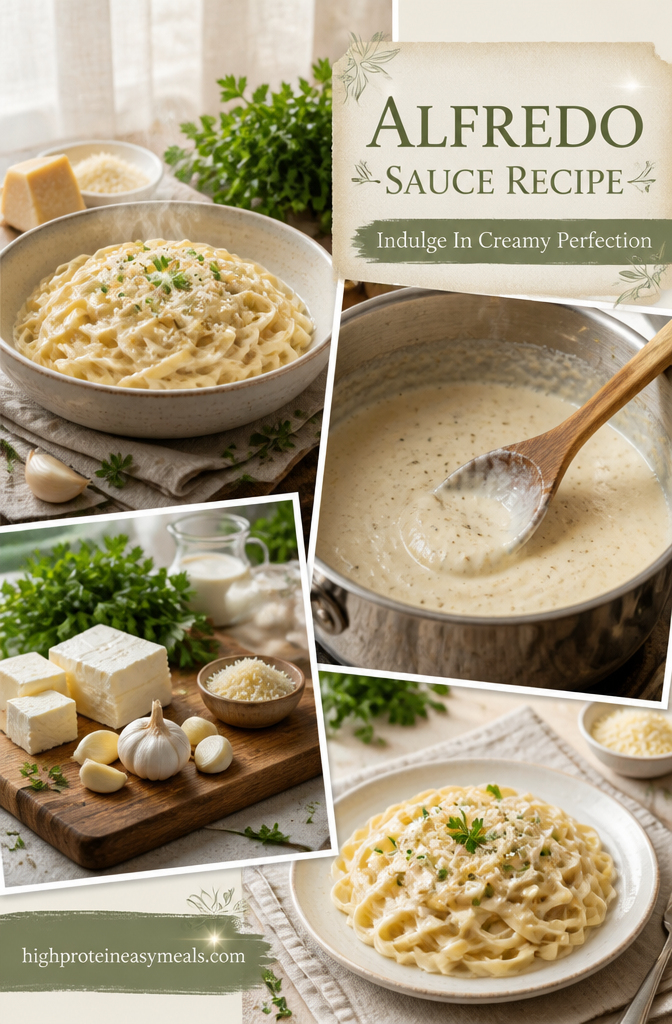
There is something deeply comforting about a bowl of pasta coated in a glossy, velvety Alfredo sauce. This version uses cream cheese to create an extra creamy texture without making the recipe complicated. It is an easy sauce idea for busy weeknights, yet it feels indulgent enough for a dinner gathering. Once you learn the simple technique, you can adjust the richness, seasoning, and thickness to suit whatever you have on hand.
Why Cream Cheese Makes Alfredo Extra Creamy
Cream cheese brings a gentle tang and a smooth body to Alfredo sauce. It melts into the butter and cream, helping the sauce cling to pasta rather than sliding off. The result is a stable, spoonable consistency that stays creamy as it cools.
Traditional Alfredo sauce recipes often rely on butter, cream, and Parmesan. Adding cream cheese gives you a reliable base that is forgiving if you are new to making creamy pasta sauce. It also makes the sauce a little more flexible: if your sauce becomes too thick, a splash of pasta water loosens it; if it needs more richness, a little extra cream cheese rounds it out.
Ingredients and Equipment
For a generous serving of four to six:
- 2 tablespoons unsalted butter
- 1 small garlic clove, finely minced (optional)
- 4 ounces cream cheese, softened and cut into pieces
- 3/4 cup heavy cream or half-and-half
- 1/2 cup finely grated Parmesan
- 1/2 to 3/4 teaspoon salt, to taste
- 1/4 teaspoon black pepper
- A pinch of nutmeg, optional
- 1 tablespoon lemon juice, optional, for brightness
- 1/4 to 1/2 cup reserved pasta water, as needed
You will need a wide skillet or saucepan, a whisk or silicone spatula, and a box grater or microplane for the cheese. Grate the Parmesan yourself if possible; pre-shredded cheese often contains anti-caking agents that can make sauces grainy.
Step-by-Step Instructions
Bring a pot of water to a boil and salt it well. Cook your pasta until just shy of al dente. Before draining, reserve at least one cup of the starchy cooking water. This liquid is the secret to a silky finish.
While the pasta cooks, melt the butter in a wide skillet over medium heat. If using garlic, add it and cook for about 30 seconds, just until fragrant. Add the cream cheese and let it soften, stirring until it begins to melt into the butter.
Pour in the cream and whisk until the mixture is smooth. Keep the heat moderate; boiling can cause the dairy to separate. When the sauce is uniform, stir in the Parmesan a little at a time. Continue whisking until the cheese melts and the sauce looks glossy.
Season with salt, pepper, and a pinch of nutmeg if you like. Taste and adjust. If the sauce tastes flat, a small squeeze of lemon can wake it up without making it taste lemony.
Add the drained pasta directly to the skillet. Toss over low heat, adding pasta water a few tablespoons at a time until every strand is coated. The sauce should flow easily but still cling to the pasta. Serve immediately.
Tips for a Smooth, Restaurant-Quality Sauce
- Keep the heat moderate. High heat can cause dairy to break, leaving a grainy texture.
- Soften the cream cheese so it melts evenly. Cold cream cheese can create stubborn lumps.
- Add Parmesan gradually. Dumping it in all at once can overwhelm the sauce and make it clumpy.
- Use pasta water strategically. The starch helps the sauce emulsify and stay silky.
- Work quickly once the pasta is in the pan. Alfredo is best enjoyed right away.
If the sauce thickens while you wait, stir in a splash of cream or pasta water to bring it back to a pourable consistency.
Easy Variations to Try
- Garlic Alfredo: Use two minced garlic cloves and add a pinch of red pepper flakes for gentle heat.
- Lemon Alfredo: Stir in one to two teaspoons of lemon zest and a squeeze of juice at the end.
- Herb Alfredo: Fold in chopped parsley, chives, or basil after cooking.
- Protein additions: Add cooked chicken, shrimp, or sautéed mushrooms before tossing with pasta.
- Veggie boost: Stir in steamed broccoli, peas, or spinach for color and texture.
- Lighter version: Replace some of the heavy cream with milk, then finish with extra Parmesan for body.
- Cheese blend: Mix Parmesan with a little Pecorino for a sharper note.
These variations keep the spirit of the cream cheese recipe while giving you plenty of easy sauce ideas for different moods and meals.
Common Mistakes and How to Fix Them
- Sauce is too thick: Add warm pasta water or cream, a tablespoon at a time, while stirring.
- Sauce is too thin: Let it simmer gently for a minute, or whisk in a little more Parmesan.
- Sauce tastes bland: Season in layers. Add salt gradually, finish with pepper, and consider a pinch of nutmeg or a squeeze of lemon.
- Sauce looks grainy: Remove from heat and whisk in a spoonful of cool cream to bring it back together. Next time, keep the heat lower and add cheese more slowly.
- Sauce separates: Lower the temperature immediately and whisk in a splash of pasta water to re-emulsify.
- Pasta clumps together: Toss it with sauce as soon as it drains, and use enough pasta water to keep everything moving.
Serving and Storage Ideas
This Alfredo sauce is wonderful over fettuccine, penne, or short pasta that catches every bit of creaminess. It also works as a base for baked pasta, a drizzle over roasted vegetables, or a dipping sauce for warm breadsticks.
For leftovers, cool the pasta quickly and store it in an airtight container in the refrigerator. When reheating, add a splash of milk or water and warm gently, stirring often. Cream-based sauces can thicken as they cool, so extra liquid helps restore the original texture. For best results, enjoy the sauce the day it is made.
FAQ
Can I make Alfredo sauce without heavy cream?
Yes. Use half-and-half or whole milk instead, then add a little extra cream cheese or Parmesan to restore richness. Expect a lighter sauce, and keep the heat gentle to prevent curdling.
Can I freeze Alfredo sauce with cream cheese?
Cream-based sauces can separate when frozen and thawed. If you need to freeze it, cool the sauce completely, freeze it in a sealed container, and whisk in a splash of milk while reheating. The texture may be softer than freshly made sauce.
What pasta shape works best with this creamy pasta sauce?
Long, flat noodles like fettuccine are classic because their broad surface catches the sauce. Short shapes such as penne or rigatoni also work well, especially when you want every bite filled with creamy goodness.
Read more: Extra Creamy Alfredo Sauce with Cream Cheese Recipe
Nhận xét
Đăng nhận xét